Multicultural wedding menu planning is one of the most important parts of hosting a wedding that brings together different cultures, traditions, and food preferences.Weddings today are no longer limited to one culture, one cuisine, or one way of celebrating. Many modern weddings bring together families from different regions, religions, and food traditions. While this makes the celebration richer and more meaningful, it also creates one important challenge: deciding what food to serve.
A multicultural wedding menu is not just about variety. It is about balance, respect, and thoughtful planning. When done right, it brings people together. When done poorly, it can leave guests confused, uncomfortable, or dissatisfied.
Creating a customized menu for a multicultural wedding takes more than listing dishes from different cuisines. It requires understanding people, traditions, dietary needs, and how food is experienced during a celebration. This guide explains how to do it properly, without overcomplicating the process.
Understanding What a Multicultural Wedding Menu Really Means
A multicultural wedding menu is designed to represent more than one cultural background at the same event. This could mean combining cuisines from different regions, religions, or even countries. For example, a wedding might bring together Kerala traditions with North Indian flavors, or Indian cuisine with Middle Eastern or Western dishes.
The goal is not to impress guests with how many dishes are served. The goal is to make every guest feel included and comfortable when they sit down to eat. That sense of inclusion is what turns a good wedding meal into a memorable one.
Start by Understanding Both Families’ Food Traditions
Before planning dishes, it is important to understand the food habits of both sides of the family. Some families may be deeply traditional, while others may be open to experimentation. Certain ingredients or cooking styles may be avoided due to religious or cultural reasons.
A good starting point is to discuss:
- Traditional dishes that are emotionally important
- Dietary restrictions such as vegetarian, vegan, halal, or Jain preferences
- Spice tolerance across different age groups
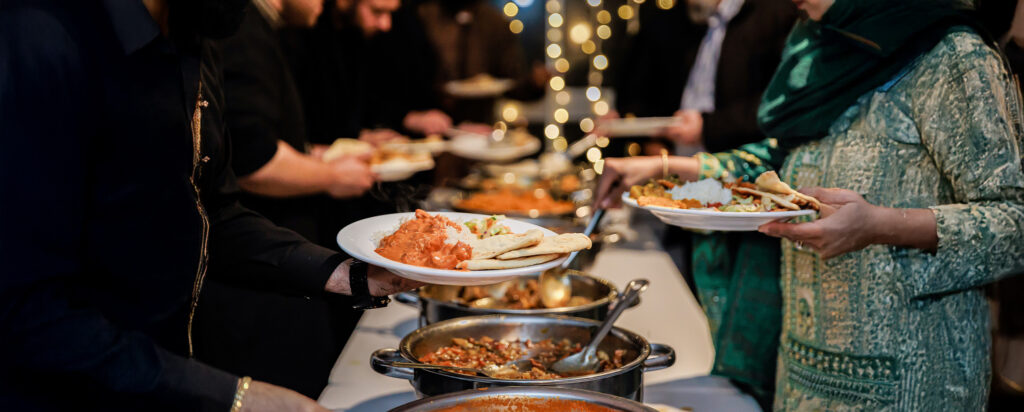
- Expectations around meal format, such as sit-down service or buffet
These conversations help shape a multicultural wedding menu that respects traditions without limiting creativity.
Decide on the Overall Structure of the Menu
One of the biggest mistakes couples make is mixing everything randomly. A well-planned menu follows a clear structure. This makes it easier for guests to navigate and enjoy the meal.
A common and effective approach is:
- Traditional dishes during ceremonial meals
- Fusion or international dishes during receptions
- Neutral comfort foods that everyone recognizes
For example, a wedding may feature a traditional sadya or regional meal earlier in the day, followed by a more diverse menu in the evening. This allows both cultures to be highlighted without competing with each other.
Balance Familiar Dishes with New Experiences
At any multicultural wedding, there will be guests who prefer familiar food and others who enjoy trying something new. A successful multicultural wedding menu caters to both.
This balance can be achieved by:
- Including classic dishes from each culture
- Adding fusion dishes that combine flavors gently
- Avoiding extreme spice levels or unfamiliar ingredients in every dish
For instance, pairing a familiar rice-based dish with a mildly flavored international curry allows guests to explore without feeling overwhelmed.
Separate Counters Help Guests Feel Comfortable
One practical way to manage variety is by separating food sections. Dedicated counters or clearly labeled stations help guests choose what they are comfortable with.
Common sections include:
- Vegetarian and non-vegetarian areas
- Regional cuisine counters
- International or fusion stations
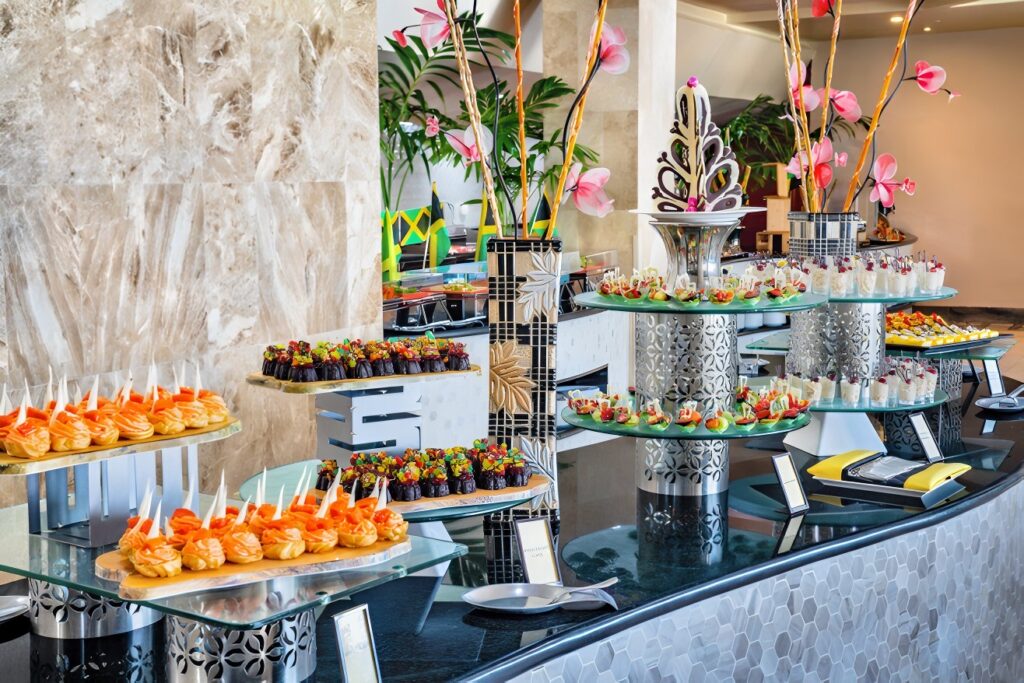
- Dessert and beverage areas
Clear separation reduces confusion and makes the dining experience smoother, especially for older guests or those with dietary restrictions.
Think Beyond Main Courses
A multicultural wedding menu should not focus only on the main meal. Starters, drinks, and desserts play an equally important role in representing different cultures. A well-planned multicultural wedding menu ensures every guest feels included, respected, and comfortable during the celebration.
Welcome drinks can reflect regional ingredients, such as tender coconut or spice-infused coolers, alongside international options. Starters can be designed to include both familiar and modern flavors. Desserts are especially important, as they often carry emotional and cultural significance.
Combining traditional sweets with modern dessert options ensures that all guests find something they enjoy.
Many couples also explore global wedding food ideas from trusted platforms like Brides.com when planning a multicultural wedding menu.
Be Mindful of Dietary Preferences and Restrictions
In multicultural weddings, dietary needs are often diverse. Some guests may be vegetarian, some may require halal food, and others may avoid certain ingredients for personal reasons.
Planning ahead for these preferences shows care and professionalism. A well-thought-out multicultural wedding menu always includes:
- Clear vegetarian options
- Separate preparation areas where required
- Simple dishes for guests with sensitive preferences
When guests feel considered, they remember the experience positively.
Keep the Flow of the Event in Mind
Food should enhance the celebration, not interrupt it. Long queues, overcrowded counters, or poorly timed service can affect the mood of the event.
Menu planning should align with:
- Event schedule
- Guest count
- Venue layout
- Service style
A hybrid approach, such as combining plated starters with buffet mains, often works well for multicultural weddings. It keeps service organized while still offering variety.
Use Food as a Storytelling Element
A well-designed multicultural wedding menu tells a story. Each section represents a part of the couple’s journey, background, or shared experiences.
Small touches like naming sections after cultural themes or explaining the origin of certain dishes add depth to the experience. Guests appreciate understanding why certain foods were chosen, especially when they reflect the couple’s story.
Work Closely with an Experienced Caterer
The most important factor in creating a successful multicultural wedding menu is experience. Not all caterers understand how to handle multiple cuisines, dietary rules, and service styles at the same time.
An experienced catering team helps:
- Simplify menu decisions
- Suggest combinations that work well together
- Maintain consistency in quality and service
- Avoid common mistakes that affect guest experience
Their role is not just to cook, but to guide the entire dining experience.
Final Thoughts
A multicultural wedding is a celebration of unity, and food plays a powerful role in expressing that unity. A thoughtfully planned multicultural wedding menu brings people together, respects traditions, and creates moments that guests remember long after the event.
The key lies in balance. Balance between cultures, between tradition and modernity, and between variety and simplicity. When planned with care and executed with experience, a customized menu becomes one of the strongest highlights of a multicultural wedding.
If you are planning a large or diverse celebration, choosing the right wedding catering services in Kochi plays a key role in delivering a smooth multicultural dining experience.